
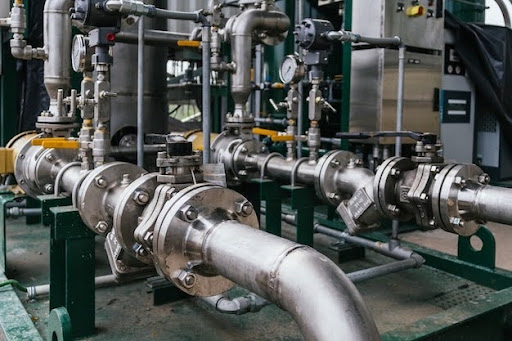
Natural gas often has to be treated close to where it is produced, and that is where portable equipment proves its worth. Mobile gas processing units can be moved to remote wells, temporary projects, and fast-changing field locations. But handling flammable, pressurized gas outside a permanent plant creates risks that need constant attention. A single leak, spark, or procedural mistake can harm workers, nearby communities, and the environment.
1. Understanding the Hazards
Every safety program begins with knowing what can go wrong. Mobile gas processing may involve flammable gas, high pressure, toxic compounds such as hydrogen sulfide, and extreme temperatures.
Fires, explosions, leaks, and exposure to harmful vapors are the main concerns. Study the gas composition and the equipment involved, then record each hazard and its likely consequences.
2. Training and Competent Personnel
Equipment is only as safe as the people running it. Mobile gas processing crews need training in equipment operation, gas detection, emergency shutdown, and the use of protective gear.
Refresher courses keep skills sharp, especially when procedures or equipment change. Supervisors should confirm that each worker is competent before assigning critical tasks, and new staff should work under experienced guidance.
3. Equipment Inspection and Maintenance
Moving a unit from site to site puts stress on pipes, valves, seals, and electrical systems. Mobile gas processing equipment therefore needs frequent inspection and testing, both before deployment and during operation.
Check for corrosion, loose connections, worn gaskets, and damaged gauges. Safety valves, alarms, and shutdown systems must be tested on schedule. Keep maintenance logs so recurring problems can be spotted early.
4. Site Selection and Setup
A well-chosen location reduces risk before work even starts. For mobile gas processing, consider ground stability, wind direction, distance from homes and roads, and access for emergency vehicles.
Keep ignition sources away from gas equipment, and mark restricted zones clearly. Proper grounding, ventilation, and spacing between units help prevent small incidents from becoming serious ones.
5. Emergency Planning and Response
Even strong prevention cannot remove every risk, so readiness is essential. Mobile gas processing sites need clear evacuation routes, communication plans, and trained responders.
Keep fire-fighting and first-aid equipment close at hand, and make sure workers know how to raise an alarm. Practice drills reveal weak points in the plan while there is still time to fix them.
6. Regulatory Compliance and Environmental Care
Safety also means following the law and protecting the surroundings. Mobile gas processing is usually governed by rules on permits, emissions, pressure equipment, and worker protection, which differ by location.
Confirm the requirements before each deployment and keep accurate records. Controlling leaks, flaring, and spills protects air, soil, and water, and it also builds trust with neighbors and regulators.
Final Thoughts
Mobile gas processing plays a valuable role in modern energy operations, but its flexibility brings responsibilities that cannot be ignored. Throughout this guide, we have looked at the foundations of safe work: hazard identification, trained personnel, well-maintained equipment, emergency readiness, strong site procedures, and a culture where every worker feels responsible for safety. Each element supports the others, so lasting protection comes from treating them as one connected system.
