
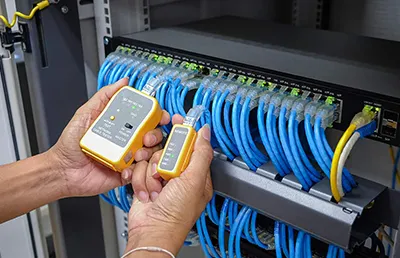
Every modern business relies on stable, secure, and high-performing connectivity. From cloud-based applications and VoIP systems to surveillance cameras and smart office technology, nearly every daily operation depends on a strong network infrastructure. That is why partnering with the right commercial network cabling company is one of the most important investments organizations can make.
Businesses often focus heavily on software upgrades and digital tools while overlooking the physical infrastructure that supports those systems. Yet even the most advanced technology can underperform if the underlying cabling network is outdated, poorly installed, or unable to scale with operational demands.
Professional commercial cabling solutions provide the backbone for communication, collaboration, security, and productivity. A properly designed structured cabling system supports long-term efficiency while helping organizations reduce downtime, simplify maintenance, and prepare for future growth.
What a Commercial Network Cabling Company Actually Does
A commercial network cabling provider specializes in designing, installing, organizing, and maintaining structured cabling systems for businesses and commercial properties. These systems support internet connectivity, data transfer, communication tools, wireless access points, surveillance equipment, and other critical technologies.
Rather than relying on disconnected wiring installations added over time, professional structured cabling creates an organized infrastructure that supports business continuity and scalability.
Common services include:
- Structured cabling installation
- Fiber optic cabling
- Data center cabling
- Network infrastructure upgrades
- Cable testing and certification
- Server room organization
- Wireless network support
- Voice and data cabling
- Low-voltage cabling systems
- Network troubleshooting and maintenance
A qualified provider helps businesses avoid the operational risks associated with unreliable connectivity and disorganized infrastructure.
Why Structured Cabling Is Critical for Business Performance
Structured cabling is more than just wires behind walls. It directly affects how efficiently a company operates every day.
When network infrastructure is poorly planned, businesses may experience:
- Slow network speeds
- Frequent outages
- Device connectivity issues
- Communication disruptions
- Higher maintenance costs
- Difficult troubleshooting
- Limited scalability
A professionally installed system creates a centralized and organized infrastructure that improves overall performance and simplifies future upgrades.
Businesses that invest in high-quality network cabling often benefit from:
Improved Reliability
Reliable connectivity supports uninterrupted communication, file sharing, and cloud access. Stable infrastructure minimizes downtime that can negatively impact operations and customer service.
Faster Data Transmission
Modern cabling systems are designed to support higher bandwidth requirements. This improves performance for data-heavy applications, video conferencing, cloud computing, and real-time collaboration tools.
Better Scalability
As organizations grow, technology demands increase. Structured cabling makes it easier to add new users, devices, and systems without major infrastructure disruptions.
Easier Troubleshooting
Organized cable management helps IT teams identify and resolve issues more efficiently. This reduces service interruptions and maintenance time.
Enhanced Security
Proper network infrastructure design supports better cybersecurity practices and secure data transmission across connected systems.
Signs Your Business Needs a Network Cabling Upgrade
Many businesses continue using outdated cabling systems long after they stop meeting operational demands. While temporary fixes may seem cost-effective, aging infrastructure can eventually create larger performance and reliability problems.
Here are some common indicators that it may be time to contact a commercial network cabling company.
Frequent Connectivity Issues
If employees regularly experience dropped connections, lagging systems, or unstable internet access, the cabling infrastructure may be contributing to the problem.
Slow Network Performance
As businesses adopt more cloud-based tools and connected devices, older cabling systems may struggle to handle bandwidth requirements.
Disorganized Server Rooms
Messy cable layouts increase maintenance complexity and create troubleshooting challenges. Poor cable management can also reduce airflow and affect equipment performance.
Office Expansion or Renovation
Growing businesses often need additional cabling to support new workstations, departments, conference rooms, or smart technologies.
Aging Infrastructure
Older cabling standards may no longer support modern data transmission requirements or evolving technology demands.
Fiber Optic Cabling and the Future of Connectivity
Fiber optic technology continues to reshape commercial networking because of its speed, reliability, and scalability.
Unlike traditional copper cabling, fiber optics transmit data using light signals, allowing significantly faster communication over longer distances. Businesses increasingly rely on fiber infrastructure to support cloud services, video conferencing, remote collaboration, and large-scale data transfer.
Benefits of fiber optic cabling include:
- High-speed data transmission
- Greater bandwidth capacity
- Reduced signal interference
- Improved long-distance performance
- Stronger support for future technologies
- Better overall network reliability
For organizations preparing for long-term digital growth, fiber optic infrastructure can provide a significant operational advantage.
How Professional Cabling Supports Business Growth
Technology infrastructure directly influences operational flexibility. Businesses that invest in scalable network systems position themselves to adapt more effectively as demands evolve.
A reliable structured cabling system helps support:
Hybrid Work Environments
Modern businesses often require secure connectivity for remote collaboration, video meetings, and cloud access. Strong infrastructure improves communication between teams regardless of location.
Smart Office Technology
Commercial buildings increasingly rely on integrated systems such as smart lighting, access control, IoT devices, and automated monitoring tools.
Data-Driven Operations
Organizations depend on real-time analytics, cloud platforms, and centralized databases to support decision-making and customer service.
Business Continuity
Reliable infrastructure reduces the risk of disruptions that can affect productivity, operations, and customer experience.
What to Look for in a Commercial Network Cabling Company
Not all providers deliver the same level of expertise or service quality. Choosing the right partner can significantly impact system performance and long-term reliability.
When evaluating providers, businesses should consider several important factors.
Industry Experience
An experienced provider understands how to design infrastructure that supports both current operations and future scalability.
Certified Technicians
Professional certifications demonstrate technical expertise and adherence to industry standards.
Custom Infrastructure Design
Every business has different operational needs. Effective providers create customized solutions rather than relying on generic installations.
Compliance With Industry Standards
Structured cabling should comply with recognized standards for safety, performance, and organization.
Testing and Documentation
Professional testing ensures cabling performance meets required specifications. Detailed documentation also simplifies future maintenance and upgrades.
Ongoing Support
Reliable support and maintenance services help businesses address issues quickly while minimizing operational disruptions.
The Hidden Cost of Poor Cabling Installation
Businesses sometimes choose low-cost installations without fully considering the long-term impact. Unfortunately, poorly installed infrastructure often creates expensive operational problems later.
Improper installations may lead to:
- Recurring connectivity failures
- Increased downtime
- Reduced productivity
- Frequent repair costs
- Limited scalability
- Equipment performance issues
- Difficult maintenance processes
Investing in professional installation from the beginning often reduces overall operational expenses over time.
Why Businesses Prioritize Scalable Infrastructure in 2026
Technology demands continue evolving rapidly across nearly every industry. Businesses are using more connected devices, cloud-based systems, automation tools, and high-bandwidth applications than ever before.
As digital transformation accelerates, organizations increasingly prioritize infrastructure that supports flexibility and future expansion.
Scalable structured cabling allows businesses to:
- Adapt to changing technology requirements
- Expand operations efficiently
- Support growing bandwidth demands
- Improve workplace productivity
- Reduce future upgrade complexity
Forward-thinking companies recognize that infrastructure planning plays a major role in operational stability and long-term competitiveness.
The Role of Cabling in Cybersecurity and Network Stability
Cybersecurity discussions often focus on software protections, but physical infrastructure also affects network security and stability.
Organized structured cabling supports better access control, system monitoring, and network segmentation. Proper infrastructure design can also reduce vulnerabilities caused by unmanaged equipment or unauthorized modifications.
A professional commercial network cabling company helps businesses create environments that support both operational efficiency and secure connectivity.
Final Thoughts
Reliable connectivity has become essential for business operations, communication, security, and long-term growth. Organizations that invest in professional structured cabling solutions often gain stronger network performance, improved scalability, and reduced operational disruptions.
Choosing the right commercial network cabling company helps businesses build a stable technology foundation capable of supporting evolving digital demands. From structured cabling and fiber optic installation to scalable infrastructure planning, companies like Instrata continue to provide network solutions that support modern operational needs and long-term business success.
Businesses that prioritize organized, future-ready infrastructure are better positioned to maintain productivity, support innovation, and adapt confidently as technology continues to evolve.
