Introduction to Fashion Layering Techniques
Fashion layering techniques are an essential part of modern styling, allowing individuals to create versatile outfits that are both functional and aesthetically appealing. Whether you are dressing for changing weather conditions or aiming to enhance your personal style, mastering layering can completely transform your wardrobe. Influential fashion hubs like Paris and Milan have long been at the center of layered fashion trends, inspiring global brands and designers to innovate seasonal collections.
Leading fashion companies such as Inditex, the parent organization of brands like Zara, have played a major role in popularizing accessible layering styles that can be adapted by everyday consumers. This guide explores detailed layering strategies, outfit combinations, seasonal considerations, and professional styling tips to help you elevate your fashion game.
Understanding the Basics of Layering in Fashion
At its core, fashion layering involves combining multiple garments in a structured way to create depth, texture, and functionality. The basic structure typically includes:
- Base layer: Closest to the skin, such as t-shirts or lightweight tops
- Mid layer: Adds insulation or visual interest, such as shirts, sweaters, or cardigans
- Outer layer: Provides protection and completes the look, such as coats or jackets
Fashion historians often trace modern layering concepts back to iconic designers like Coco Chanel, who revolutionized women’s fashion by introducing structured yet comfortable silhouettes that encouraged creative outfit combinations.
Today, layering is not just about warmth; it is a styling language used by influencers, designers, and fashion brands worldwide.
Seasonal Fashion Layering Techniques
Winter Layering Techniques
Winter fashion layering focuses heavily on insulation without compromising style. Brands like Uniqlo are well-known for their Heattech base layers, which serve as a foundation for effective cold-weather outfits.
A typical winter layering system includes thermal innerwear, knit sweaters, and structured coats. Wool coats, trench coats, and padded jackets are commonly used outerwear pieces. In colder fashion capitals like New York City, layering is both a necessity and a fashion statement, often blending luxury and streetwear influences.
Accessories such as scarves, gloves, and beanies enhance both warmth and style while maintaining a balanced silhouette.
Summer Layering Techniques
Summer layering may seem contradictory, but it is widely used in fashion-forward regions like Tokyo. Lightweight layering focuses on breathable fabrics such as cotton, linen, and chiffon.
Instead of stacking heavy garments, summer layering involves styling open shirts over tank tops, sheer tops over bralettes, and lightweight kimono-style jackets. Brands like H&M often release seasonal collections featuring airy fabrics designed specifically for warm climates.
The key principle in summer layering is balance—ensuring airflow while maintaining visual depth.
Streetwear and Modern Layering Culture
Streetwear has significantly influenced modern layering techniques, especially in urban fashion scenes like Los Angeles. Oversized hoodies, graphic tees, denim jackets, and bomber jackets are commonly layered to create relaxed yet stylish outfits.
Brands such as Nike and Adidas have contributed heavily to this trend by merging performance wear with lifestyle fashion.
Layering in streetwear often follows an oversized-to-fitted contrast approach, where loose outerwear is paired with slimmer inner layers to maintain structure and proportion.
Luxury Fashion Layering Techniques
Luxury fashion layering focuses on craftsmanship, fabric quality, and silhouette balance. High-end fashion houses like Gucci and Louis Vuitton have redefined layering through bold experimentation and statement pieces.
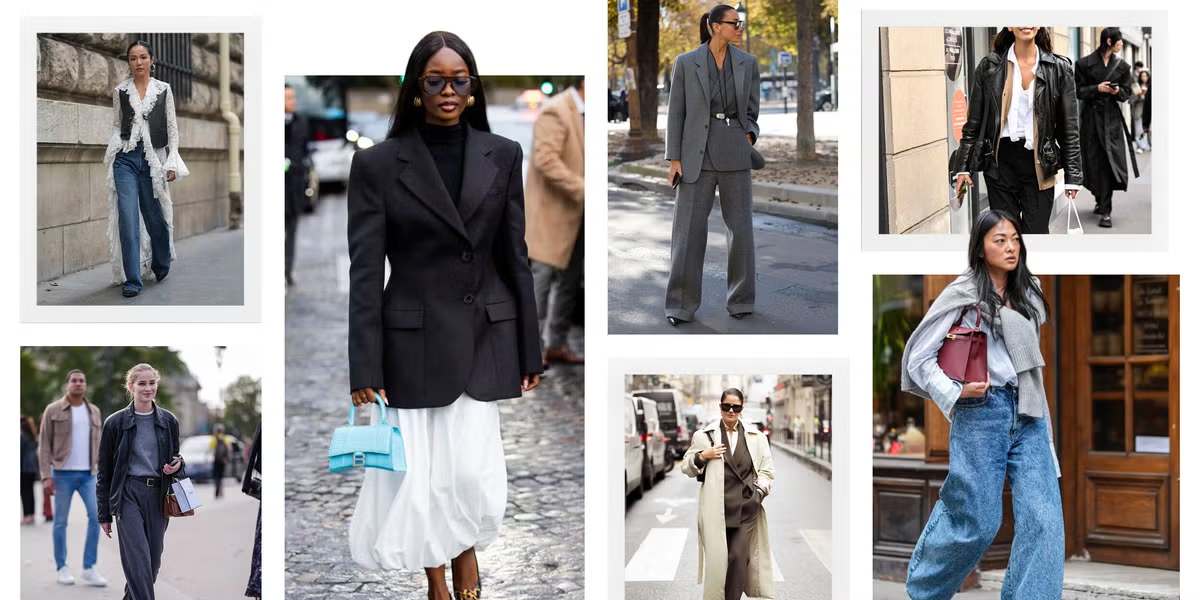
In luxury styling, layering is not just functional but expressive. Designers often mix textures such as silk, leather, and cashmere to create visually rich outfits. Fashion shows in Paris frequently showcase layered ensembles that challenge traditional fashion norms.
Structured blazers over flowing dresses or tailored coats over monochrome outfits are common luxury layering combinations.
Essential Fashion Layering Techniques for Beginners
For beginners, mastering layering starts with understanding proportions and color coordination. Here are key principles:
1. Start with Neutral Base Layers
Neutral colors such as white, black, beige, and gray provide flexibility. Brands like Uniqlo specialize in high-quality basics that serve as ideal foundation pieces.
2. Mix Textures Thoughtfully
Combining different materials like denim, cotton, wool, and leather adds depth. For example, pairing a cotton shirt with a wool cardigan creates a balanced visual effect.
3. Use Lightweight to Heavy Progression
Always layer from lightest to heaviest fabric. This ensures comfort and avoids bulkiness.
4. Maintain Color Harmony
Stick to complementary or monochromatic palettes to keep the outfit cohesive. Fashion influencers in Milan often use neutral-based layering to maintain elegance.
Advanced Layering Techniques Used by Stylists
Professional stylists use more complex layering strategies to create editorial looks and runway-ready outfits.
Asymmetrical Layering
This involves intentionally uneven lengths, such as long shirts under cropped jackets, creating visual interest.
Contrast Layering
Mixing formal and casual pieces, such as blazers with hoodies, is popular in modern fashion scenes like London.
Statement Layering
Using one bold piece—such as a patterned coat or oversized scarf—while keeping other layers minimal.
Fashion houses like Balenciaga have popularized exaggerated silhouettes that redefine traditional layering rules.
Fabric Selection in Fashion Layering Techniques
Fabric choice is crucial in determining comfort and style effectiveness.
- Cotton: Breathable and ideal for base layers
- Wool: Excellent for insulation
- Denim: Durable mid-layer material
- Leather: Adds edge and structure
- Silk: Provides elegance and smooth layering transitions
In sustainable fashion movements, brands like Patagonia emphasize eco-friendly materials that still support effective layering strategies.
Color Theory in Layering
Understanding color theory enhances layering outcomes significantly. Fashion capitals like Paris often showcase seasonal palettes such as earth tones in autumn and pastels in spring.
Monochrome layering involves using different shades of the same color, while complementary layering mixes opposite colors for bold contrast.
Brands like Massimo Dutti frequently use neutral palettes to maintain timeless elegance in layered collections.
Common Mistakes in Fashion Layering
Even experienced fashion enthusiasts can make layering mistakes. Some common issues include:
- Over-layering, which creates bulkiness
- Ignoring fabric compatibility
- Poor color coordination
- Neglecting weather conditions
Fashion advisors in New York City often emphasize the importance of balance between functionality and style.
Conclusion: Mastering Fashion Layering Techniques
Fashion layering techniques are a powerful tool for self-expression, functionality, and seasonal adaptability. From minimalist styles influenced by Coco Chanel to modern streetwear trends shaped in Los Angeles, layering continues to evolve across global fashion landscapes.
Whether inspired by luxury houses like Louis Vuitton or everyday fashion retailers like Zara, mastering layering allows individuals to build dynamic, stylish, and functional wardrobes.
By understanding fabrics, colors, proportions, and seasonal needs, anyone can elevate their personal style through smart layering choices.